
Our Origins
Before our wines, there was the Douro.
In northern Portugal, the Douro River flows through a landscape that has been defined by the vine for centuries.
Mountains, deep valleys, and seemingly impossible slopes follow its course across the land.
At first sight, it can appear almost too demanding for viticulture.
And yet, it became one of the world’s great wine regions.
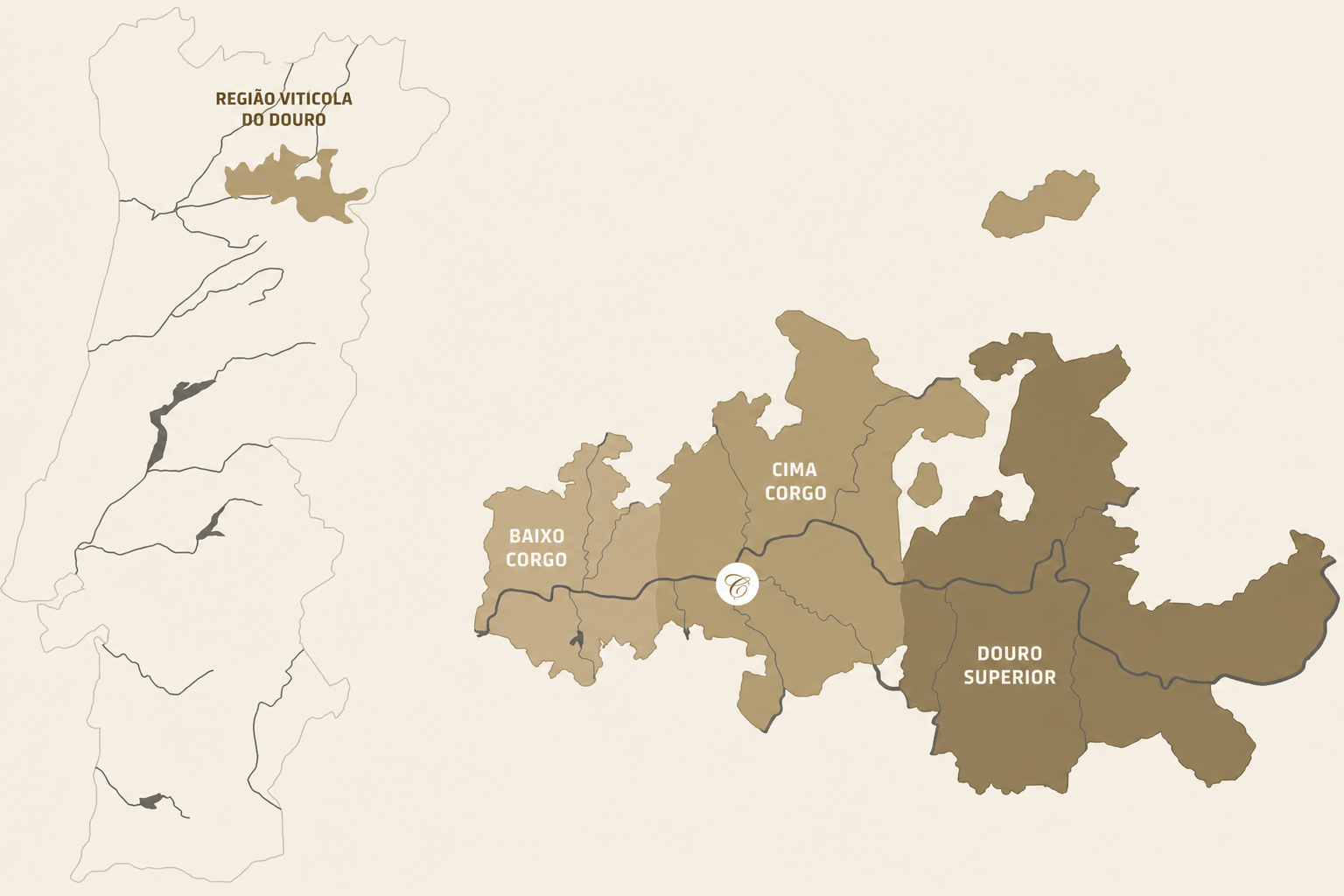
The Douro: a land of extremes
In northeastern Portugal, the Douro Demarcated Region follows the river toward the Spanish border. Its three main subregions, Baixo Corgo, Cima Corgo, and Douro Superior, each have their own character, shaped by an extraordinary relationship between the vine and the landscape.
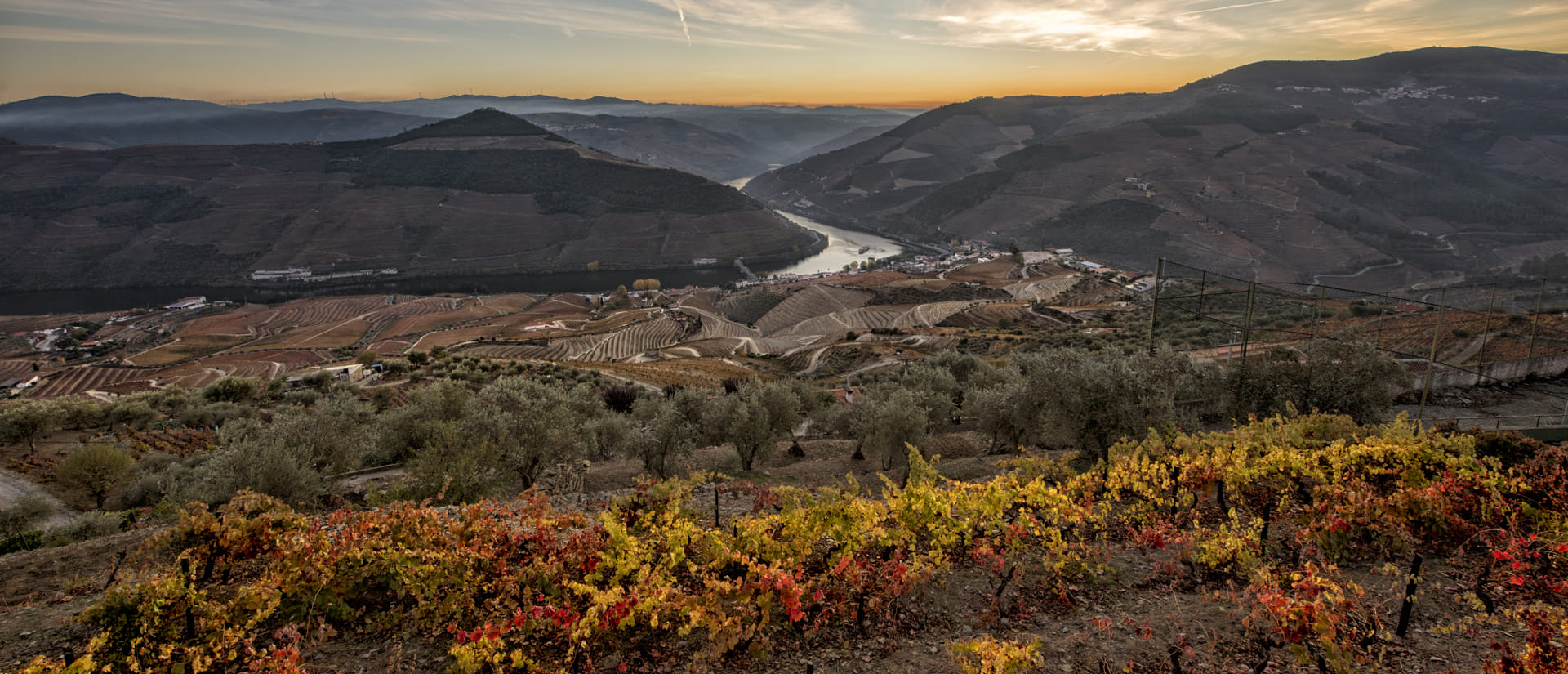
The Marão and Montemuro mountains shelter much of the region from the humid Atlantic influence, bringing intensely cold winters and hot, dry summers.
Along the river’s deep valleys, elevation and exposure create different conditions on every slope. Even small changes in position affect how vineyards receive sunlight, retain water, and ripen their fruit.
1756: The roots of Douro DOC
A year that changed the history of wine.
In 1756, the Douro Demarcated Region was formally established.
It became the world’s first demarcated and regulated wine region.
For the first time, a wine-producing territory was geographically defined and governed by rules designed to protect its origin and quality.
Almost three centuries later, that identity continues under the Douro Denomination of Origin.
Douro is more than the name of a place.
It is an origin.
Schist
Vines finding their way through stone.
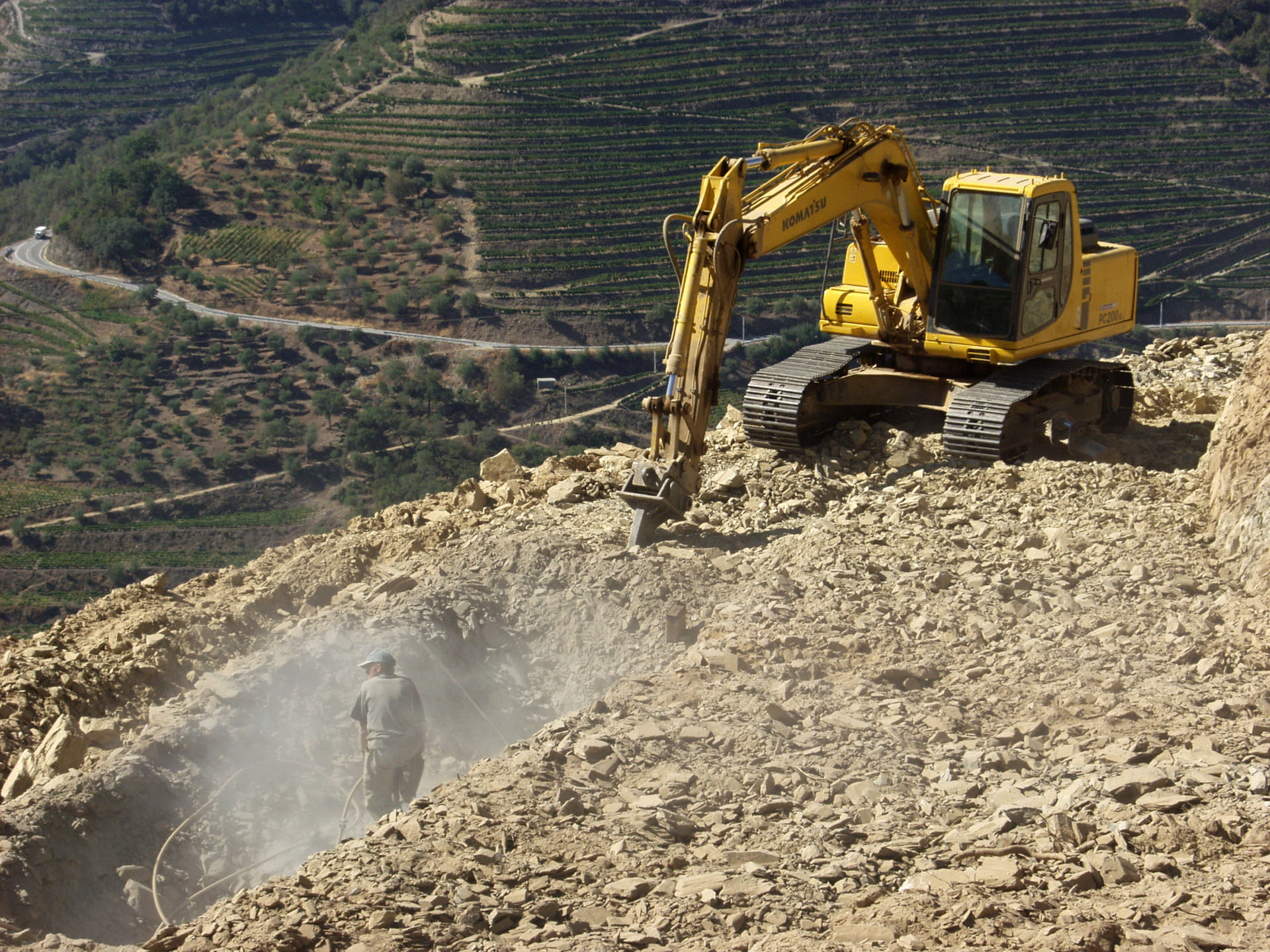
Much of the Douro’s vineyards grow in soils dominated by schist.
Hard. Rocky. Difficult to work.
Vine roots make their way through fractures in the stone, reaching deep into the ground in search of water and nutrients.
This is not a land that gives easily.
Perhaps that is why it gives so much character.
When people reshaped the mountains
For generations, farming these slopes meant transforming the landscape itself.
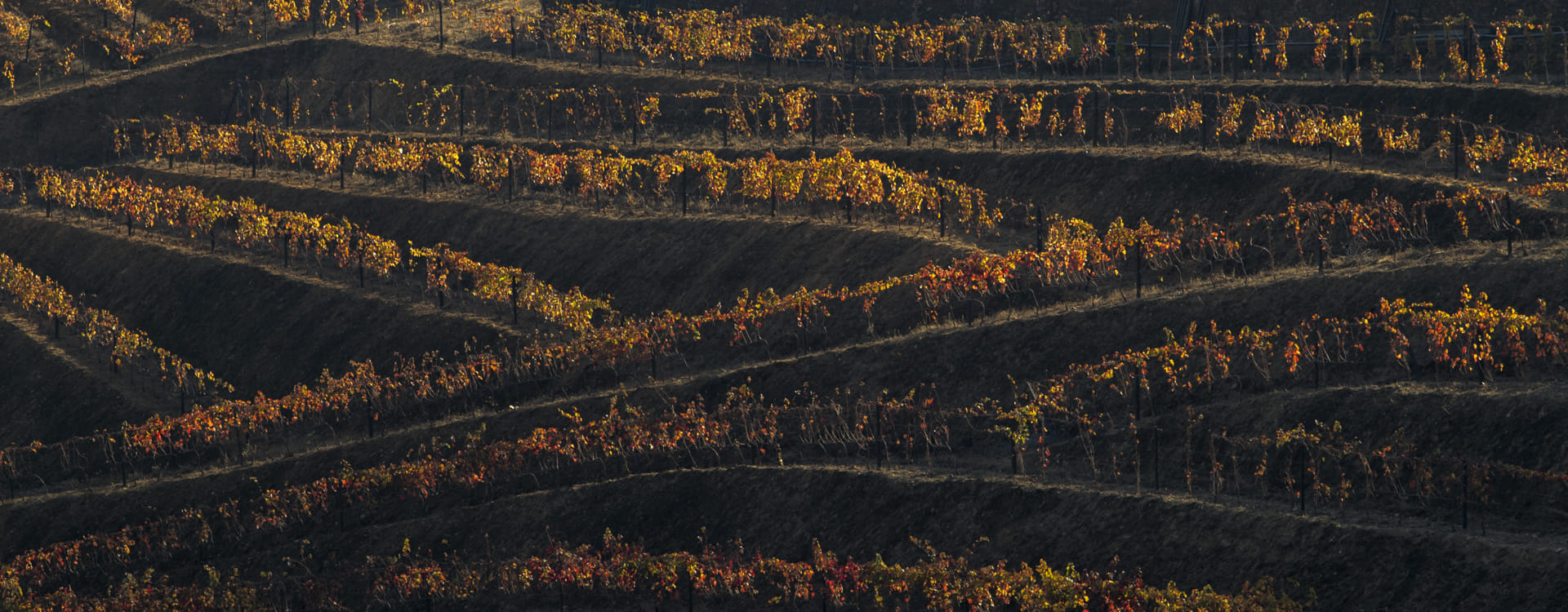
Hillsides were carved into traditional socalcos — narrow terraces supported by stone walls.
Over time, other systems emerged, including patamares and vertically planted vineyards known as vinha ao alto.
These were not aesthetic choices.
They were solutions created to make viticulture possible in extraordinarily difficult terrain.
In doing so, generations of growers created one of the most distinctive wine landscapes in the world.
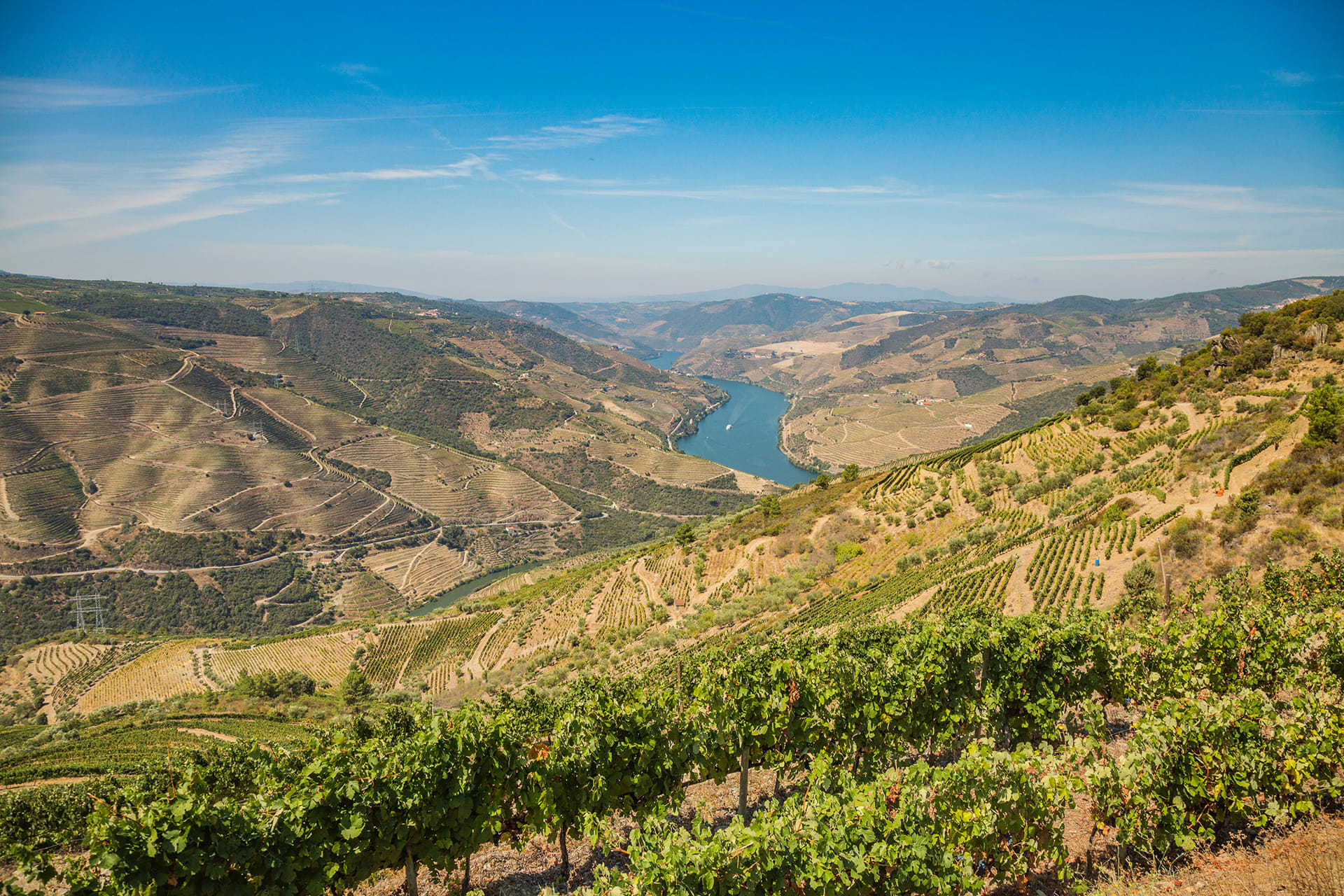
A living wine landscape
In 2001, the Alto Douro Wine Region was inscribed on the UNESCO World Heritage List as a cultural landscape.
What UNESCO recognizes here is an extraordinary relationship between people, vines, and an unforgiving terrain — centuries of adaptation that ultimately reshaped the land itself.
The history of the Douro can be read in its slopes.
In its stone walls.
In its vineyards.
And, ultimately, in its wines.
Rooted in the Douro.
Carrís Wines begins within this story.
Not to reinvent it.
To continue it.
Bottle by bottle.